
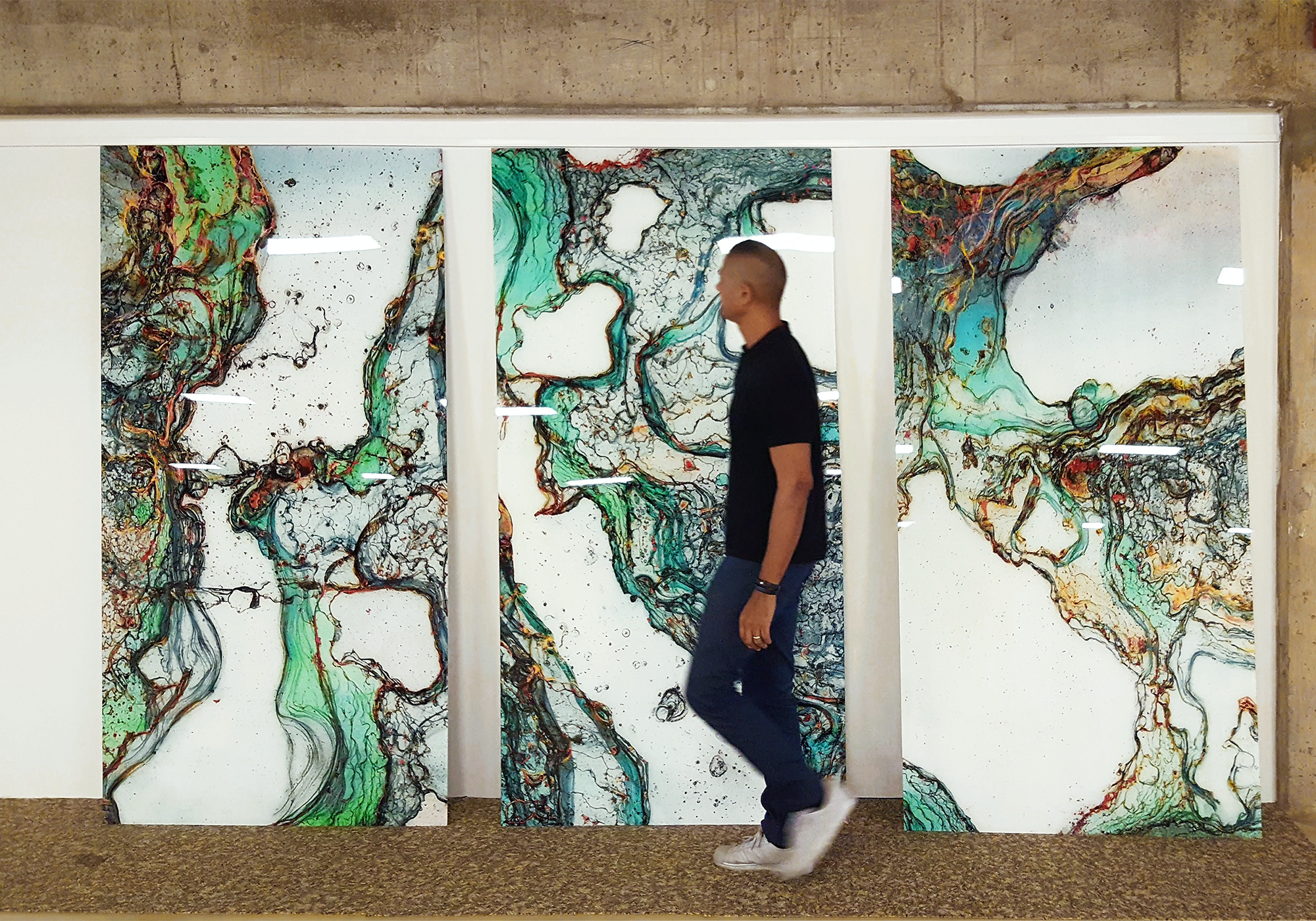
Christopher Crane’s innovative practice traces back to formative time spent in a home- built darkroom, where images revealed themselves incrementally. That early exposure to process-based image formation established a lasting interest in systems where outcomes emerge through time rather than immediate control.
Based in Austin, Texas, Crane works at the intersection of photography, metallurgy, and surface chemistry, developing methods that allow images to emerge from industrial materials not typically associated with fine art. Rather than composing images directly, he works through controlled chemical reactions and natural aging on steel surfaces, allowing form, color, and structure to develop gradually.
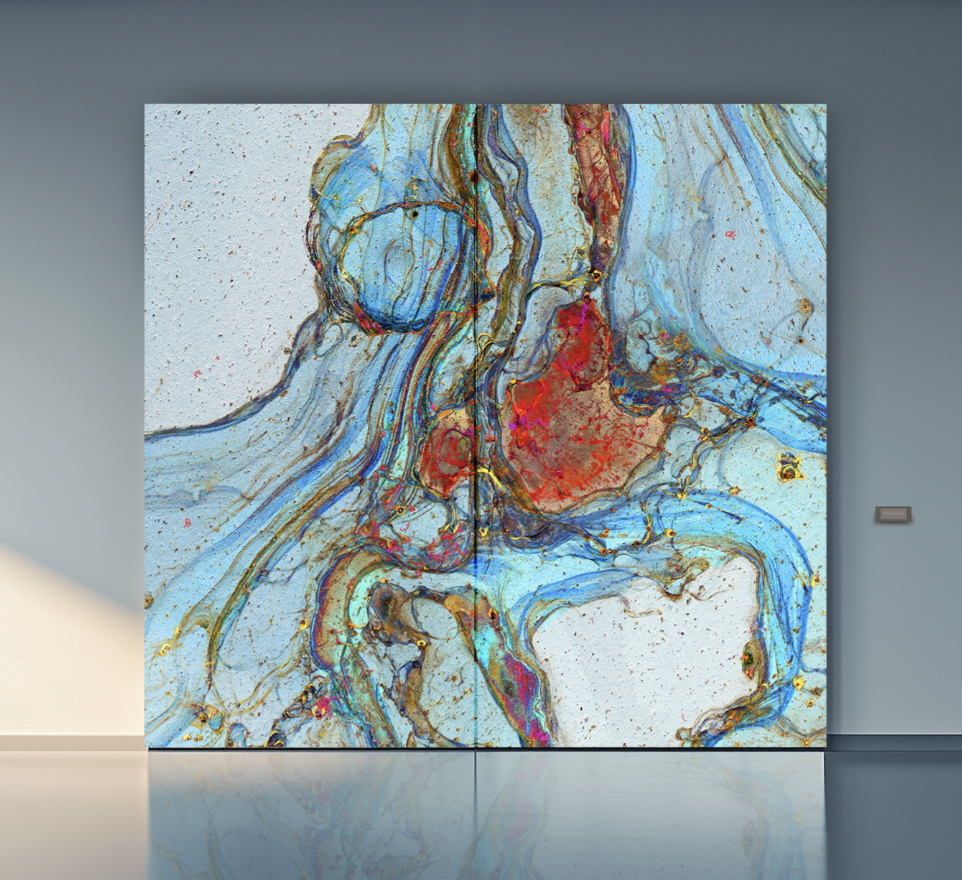
Steel may take months or years to develop its surface. The work is built around that refusal to accelerate. These images emerge through long, irreversible chemical arcs that cannot be scheduled, optimized, or forced without collapse. Their significance lies in a largely unseen process operating outside the synthetic time systems that govern contemporary life—quarterly targets, academic calendars, performance cycles. Where those structures depend on collective agreement and constant renewal, this work records material change that is cumulative, permanent, and indifferent to human timetables, aligning it more closely with environments designed to endure than with cycles designed to refresh.
Crane refers to this process as Ferrophoto, a method that treats steel not as a substrate but as an active image-forming medium. Each work unfolds through weeks or months of etching, coating, and surface manipulation, with many pieces failing before a final image is realized. Crane’s interventions define the boundaries within which material time is allowed to operate. “Steel is unpredictable,” Crane said. “If you wake it, you need to have a plan to control it.” The finished surfaces are photographed and transferred to large-scale glass panels, producing archival works that often appear painterly or atmospheric despite originating from rigid industrial material.
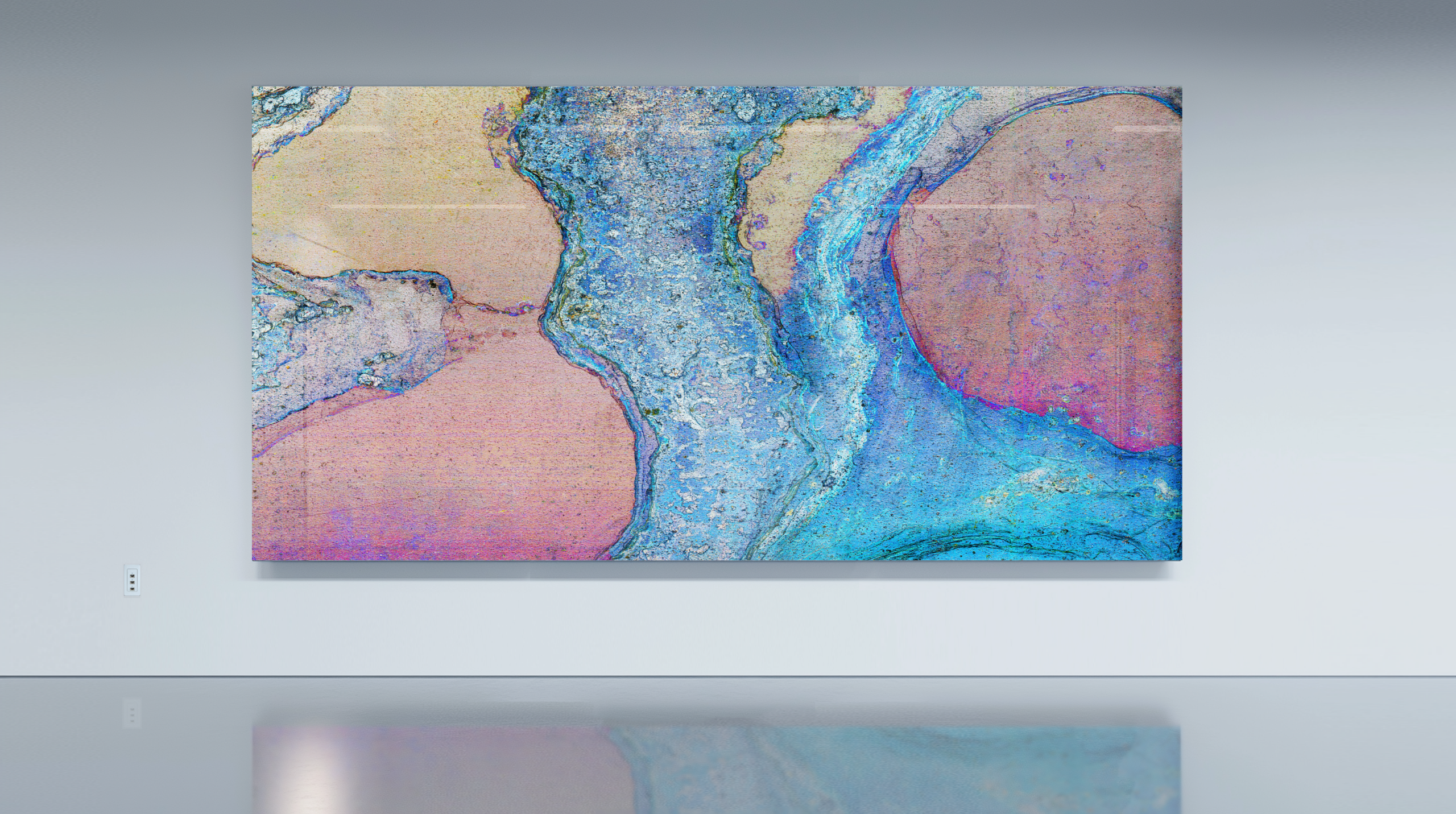
Crane’s work has been placed in prominent corporate, civic, and private settings, including a large-scale installation at Charles Schwab, a flagship Deloitte lobby in Austin, and a permanent placement with Freshfields Bruckhaus Deringer at the World Trade Center in New York. Additional works are held by TD Ameritrade, Baker Tilly, Greystar, numerous start-ups and in private collections across the United States and Canada, with installations in New York, Chicago, California, Texas, and Toronto.
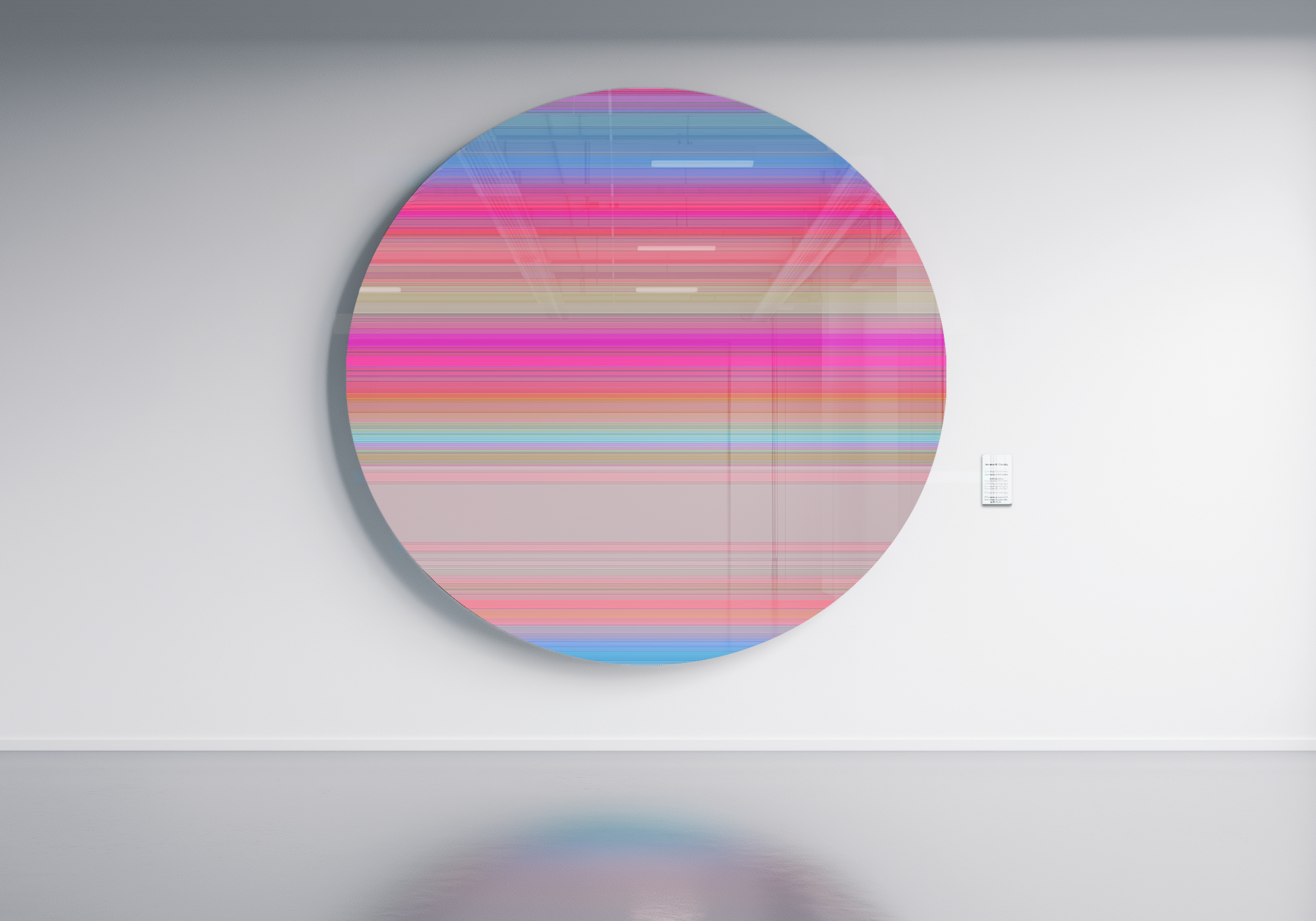
In parallel with Ferrophoto, Crane developed Signal, a companion body of work derived from microscopic fragments of Ferrophoto surfaces. Where Ferrophoto emphasizes organic complexity and material volatility, Signal isolates moments of structure and clarity, digitally enlarging them into large-scale compositions on glass. The resulting works retain their metallurgical origin while offering a more distilled visual language, making them well- suited to architectural corridors, transitional spaces, and environments where focus and calm are essential.
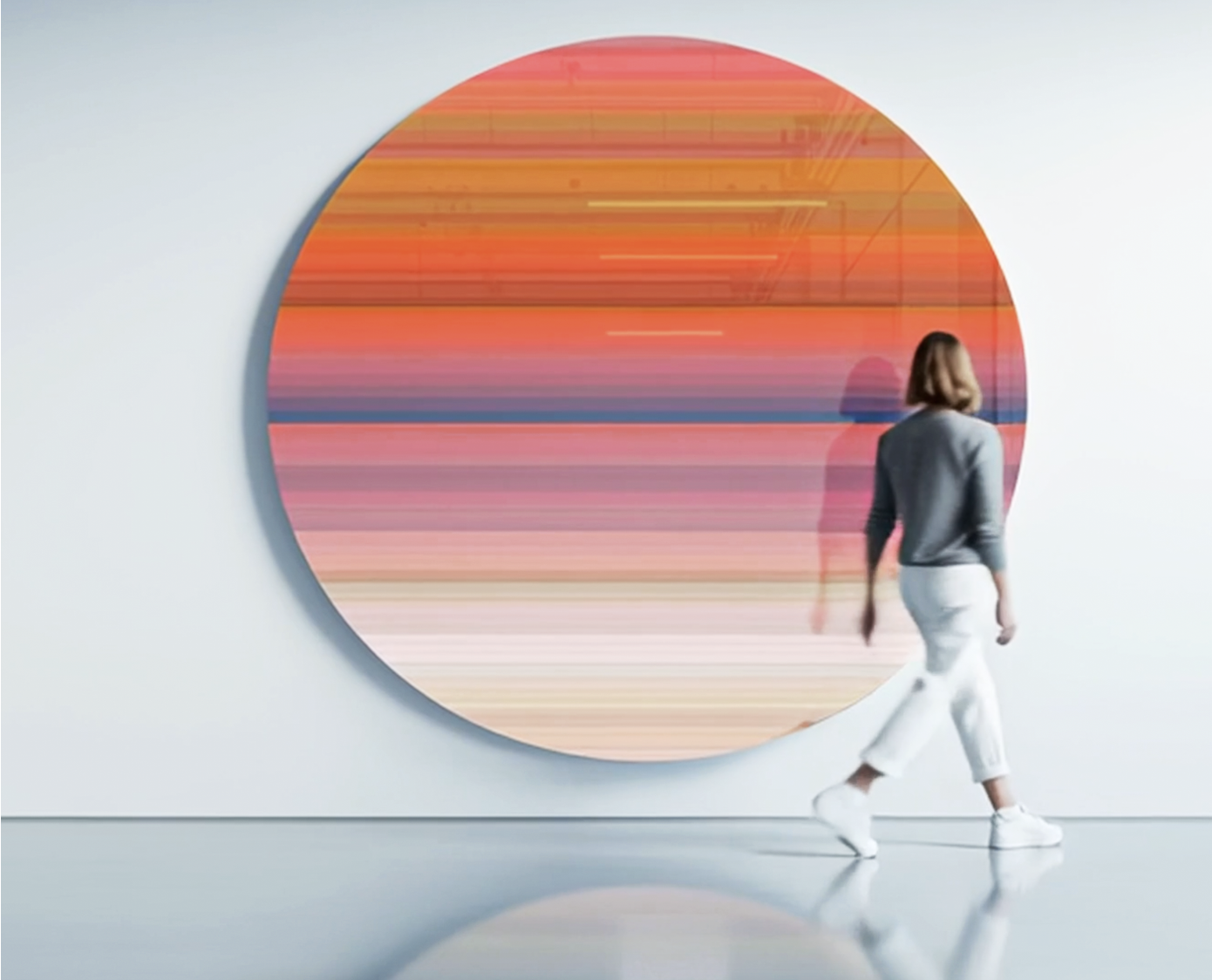
Crane’s work is produced with architectural integration in mind, with finished pieces ranging from 4 to 30 feet in scale and fabricated to meet the demands of long-term installation in corporate and private environments. Works are completed in his Austin studio and delivered ready for installation, with mounting systems, finishes, and materials specified for durability and consistency across locations. He works directly with designers, consultants, and facilities teams to ensure each piece aligns with spatial constraints and lighting conditions.
Crane’s approach reflects a broader commitment to innovation, grounded in the belief that we are at our best when doing what we are not certain can be done. His practice delivers works that tell a story of innovation but are resolved and capable of sustaining long-term placement in architectural and institutional contexts.

