
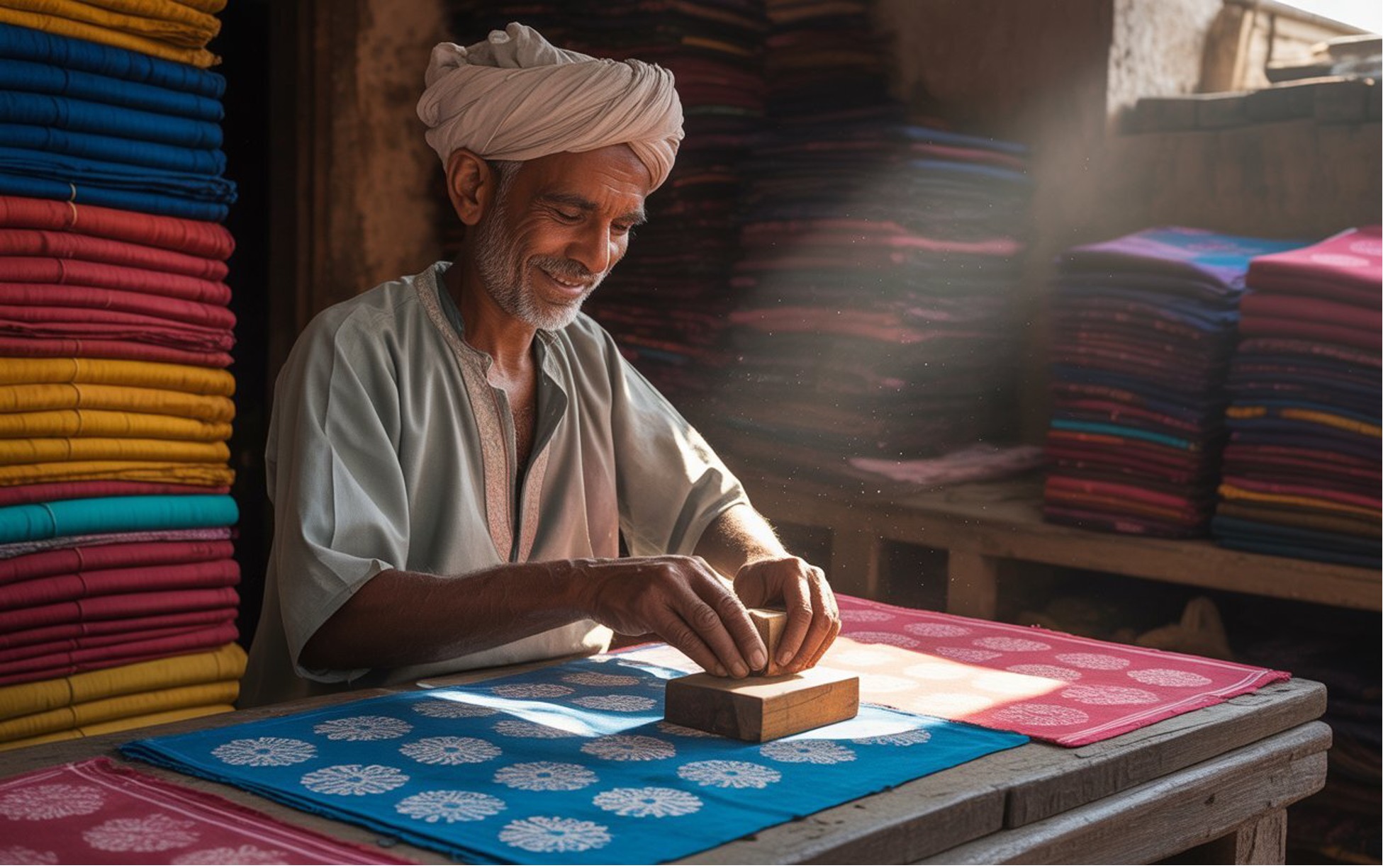
I still remember walking into a small Bagru print workshop in Rajasthan. The smell of natural dyes filled the air. The steady tap of carved wooden blocks on fabric made a calm, rhythmic sound. It felt like stepping into another time. That moment showed me how traditional craft links us to something deep. It ties us to our culture, our past, and the beauty of human creativity.
Today, our digital world moves fast. We often forget how traditional craftsmanship once grounded our lives. But something new is happening. A revival of traditional art forms is here. People want real, handmade things again. They love the beauty, the skill, and the stories in these works. It could be a textile with old patterns. It could be a box made with age-old techniques. Each one feels personal. It gives us a break from screens and noise.
Why now? Maybe because we can blend the old with the new. We use digital tools, social media, and online platforms to share and preserve these arts. Or maybe we feel a stronger need to protect cultural heritage before it fades away.
Let’s see how this revival of traditional art forms is more than a memory. It’s about reviving ancient skills in modern contexts, creating jobs, and linking the past and present in harmony.
Key Takeaways
- Traditional art forms connect us to our culture, history, and identity.
- Digital tools and social media help preserve and share these crafts with the world.
- Reviving ancient skills creates jobs and supports local communities.
- Blending the old with the new keeps traditional practices alive for future generations.
- Anyone can help by learning, buying, or promoting handmade crafts.
THE CULTURAL AND HISTORICAL IMPORTANCE OF TRADITIONAL ART FORMS
I grew up watching my grandmother weave scarves using a simple loom. She didn’t call it art—but to me, those threads were magic. They carried stories, patience, and craft skills passed down through generations. That’s what cultural heritage feels like: living, breathing tradition.
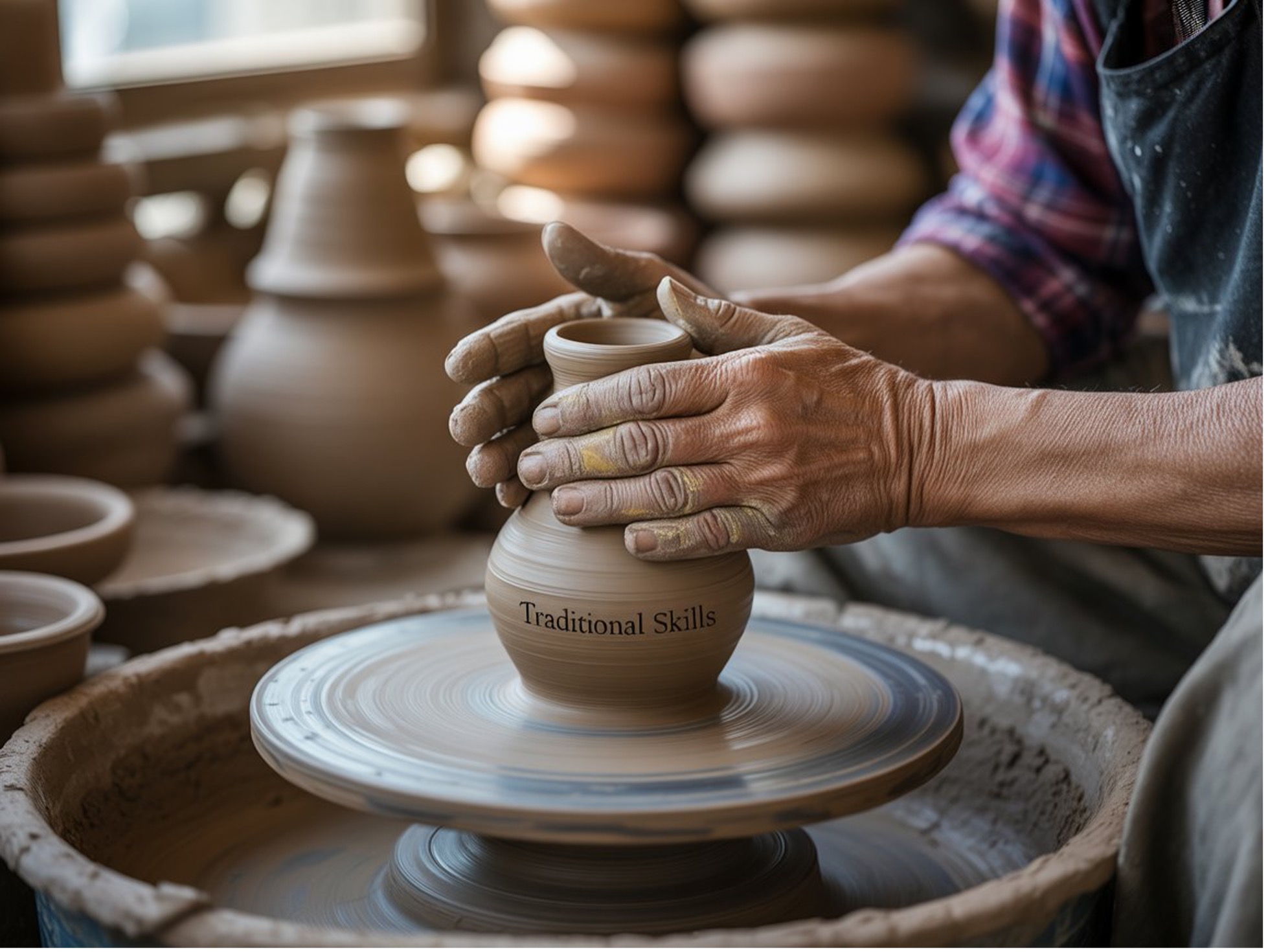
Traditional art forms—from textile weaving to folk art, pottery to calligraphy—are not just pretty displays. They express identity, history, and human ingenuity. Think about the elegant curves of a carved box or the brushwork of classical art that tells centuries-old tales.
Recovering and preserving traditional techniques isn’t about staying stuck in time. It’s about honoring our ancestors while allowing contemporary artists to draw from that foundation. Those age-old techniques are like wisdom books waiting for our hands to unlock. They remind us that art can be soulful, patient, and meaningful.
When we preserve cultural heritage through craft, we do more than make beautiful things. We defend memory, nurture pride, and invite younger people to connect with something real—toward modern sensibilities, yes—but rooted in authenticity.
THE DECLINE AND CHALLENGES FACED BY TRADITIONAL ART FORMS
It hurts to say this, but I’ve also seen crafts fade. A friend told me about a pottery village where only two families now carry on a tradition that once powered the community. In Madurai, traditional craft of clay toy making plummeted due to cheaper alternatives—even though artisans tried to adapt with social media; their sales still dropped by half in just one year.
This is a familiar scene in many corners of the globe. In the UK, crafts like linen beetling, pleating, and button-making are on the brink of extinction because artisans are aging, and apprentices are rare. Without new interest, these skills vanish.
Why? A few reasons stand out:
- Modern mass production overshadows handcrafted goods.
- Lack of training or opportunities pushes young people away from crafts.
- Cultural spaces focus more on buildings than nurturing living artists.
When traditional craftsmanship fades, our cultural significance dims. Losing a craft is like losing a chapter of a love story. But it doesn’t have to end this way.
THE GLOBAL REVIVAL MOVEMENT
Thankfully, I’ve also seen hope. These revivals of traditional efforts are about more than craft—they’re about healing culture, empowering lives, and ensuring traditions endure.
- In India, Bagru print gained a Geographical Indication (GI) tag recently, officially recognizing its authenticity and helping sustain the craft and its community.
- Also, Jharkhand artisans—once struggling—used online platforms to sell tribal attire. Their textile creations now earn thousands of rupees each month and help preserve weaving traditions.
- The nonprofit Nest Inc. is another shining example. Starting with very little in 2005, it now supports over 345,000 women artisans in 125 countries, helping them turn traditional craft into sustainable businesses, coaching on marketing and pricing, and opening powerful market partnerships.
- And Artisans Angkor in Cambodia gives vocational training to young people in carving and lacquering. Trainees become artisans with stable incomes and social support.
HOW MODERN TECHNOLOGY IS AIDING THE REVIVAL
Let me share another bit of hope: digital technology is bridging tradition and modernity. In Europe, nearly 70% of craftspeople now incorporate digital tools, with over a third using them extensively. Tools like CAD, 3D printing, CNC, and laser cutting are helping them refine and speed up their craft skills.
Here’s how technology helps:
- Online platforms let artisans showcase and sell globally.
- Digital documentation preserves fragile designs for posterity.
- VR and AR experiences bring intangible cultural heritage to life in immersive ways.
These digital tools don’t replace tradition; they amplify it. They help to preserve, teach, and bring traditional techniques to new audiences.
FUSION OF OLD AND NEW: INNOVATION IN TRADITIONAL ART FORMS
One of my favorite things is watching tradition take on new form. Dabu printing—an ancient Rajasthan technique—is being reinvented by contemporary designers using new color palettes and abstract motifs to create works of art for modern fashion that still preserve roots.
This is exactly the blend of traditional techniques with contemporary vision that ignites imagination. Think of:
- Silk scarves with medieval motifs on modern silhouettes
- Folk embroidery used on minimalistic décor
- Pottery designs illuminated with smart lighting
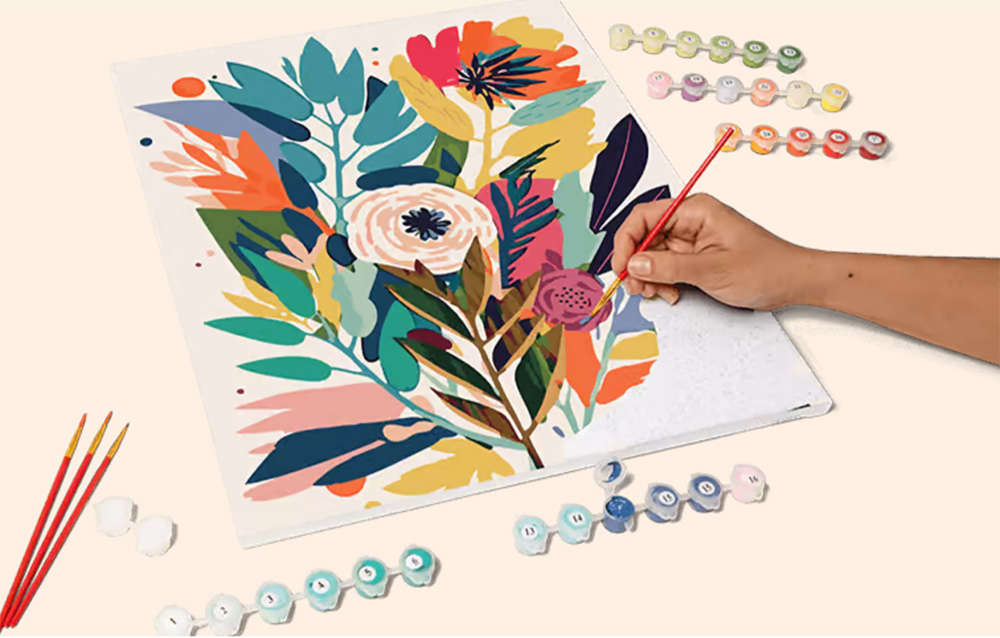
And for those who want to try art themselves, modern kits like Customisable paint by numbers make it easy for anyone to paint a personal masterpiece while keeping the creative spirit alive.
The pattern is simple: blending the old with the new creates art that resonates with modern sensibility while honoring heritage. It is how art forms survive—not by freezing in time, but by evolving.
CULTURAL, SOCIAL, AND ECONOMIC IMPACT
This revival movement isn’t just pretty—it’s powerful. Such figures show a revival of traditional art forms is not only cultural—it’s economic. When we foster crafts, we create economic opportunities and sustain livelihoods.
Cultural Impact: When crafts thrive, communities feel proud. Heritage isn’t just preserved—it’s lived.
Social Impact: Programs build networks among artisans. Shared wisdom, support, and purpose flow through those connections.
Economic Impact: Let me share a quick comparison:
| Effort | Impact |
| Online platforms in Jharkhand | Artisans earn thousands more monthly |
| Silver filigree centre in Cuttack | Plans to help up to 5,000 artisan families |
| Global handicrafts market | Valued at $1.11 trillion in 2024; projected to reach $1.22 trillion in 2025—CAGR ~10% |
HOW INDIVIDUALS CAN CONTRIBUTE TO THE REVIVAL
Now, this is where you and I come in. Our effort doesn’t have to be grand. Even liking a post, buying a scarf, or telling one artisan’s story can matter. It all helps to breathe new life into age-old traditions and pushes innovation.
- Support local artisans. Seek out handcrafted items—buy directly if you can.
- Learn and try. Attend a workshop or try weaving or embroidery yourself. Teach someone too.
- Use digital power. Share artisan stories, tag them in social posts, or join online communities of art enthusiasts.
- Promote with purpose. If you’re a blogger, feature a folk artist. Or just share that Bagru piece you love.
FAQs
Why do endangered crafts matter today?
These crafts carry cultural significance and help preserve identity. Losing them tears a thread in our collective memory.
What’s the fastest way to help?
Support artisans financially—or just share their work. Even spreading awareness on social media platforms makes a difference.
Does digital tech replace the craft?
No. It helps preserve and share techniques. Tools like VR, CAD, or platforms allow artists to showcase and teach without replacing the hand.
Are textile crafts still meaningful?
Absolutely. Traditional textiles often use natural dyes, local fibers, and age-old craft skills. They connect past and present in tangible ways.
What’s a hopeful example of revival?
Organizations supporting thousands of artisans worldwide prove revival is not just possible—it’s thriving.
FINAL THOUGHTS
Walking between ancient looms and digital galleries, I’ve come to see that revival of traditional art isn’t about resisting change—it’s about honoring roots while embracing progress. It’s knowing that when art forms resonate with both past and present, they carry our shared stories into the future.
These crafts aren’t relics. They’re vibrant. They foster connection, preserve memory, and empower makers with creative purpose. By combining traditional techniques, digital tools, community spirit, and your willingness to appreciate them, we can keep culture alive. Let’s celebrate this harmonious blend of heritage and innovation. Let’s keep learning, supporting, and creating in ways that ensure the beauty of tradition endures—and evolves.

